Place-based partnership
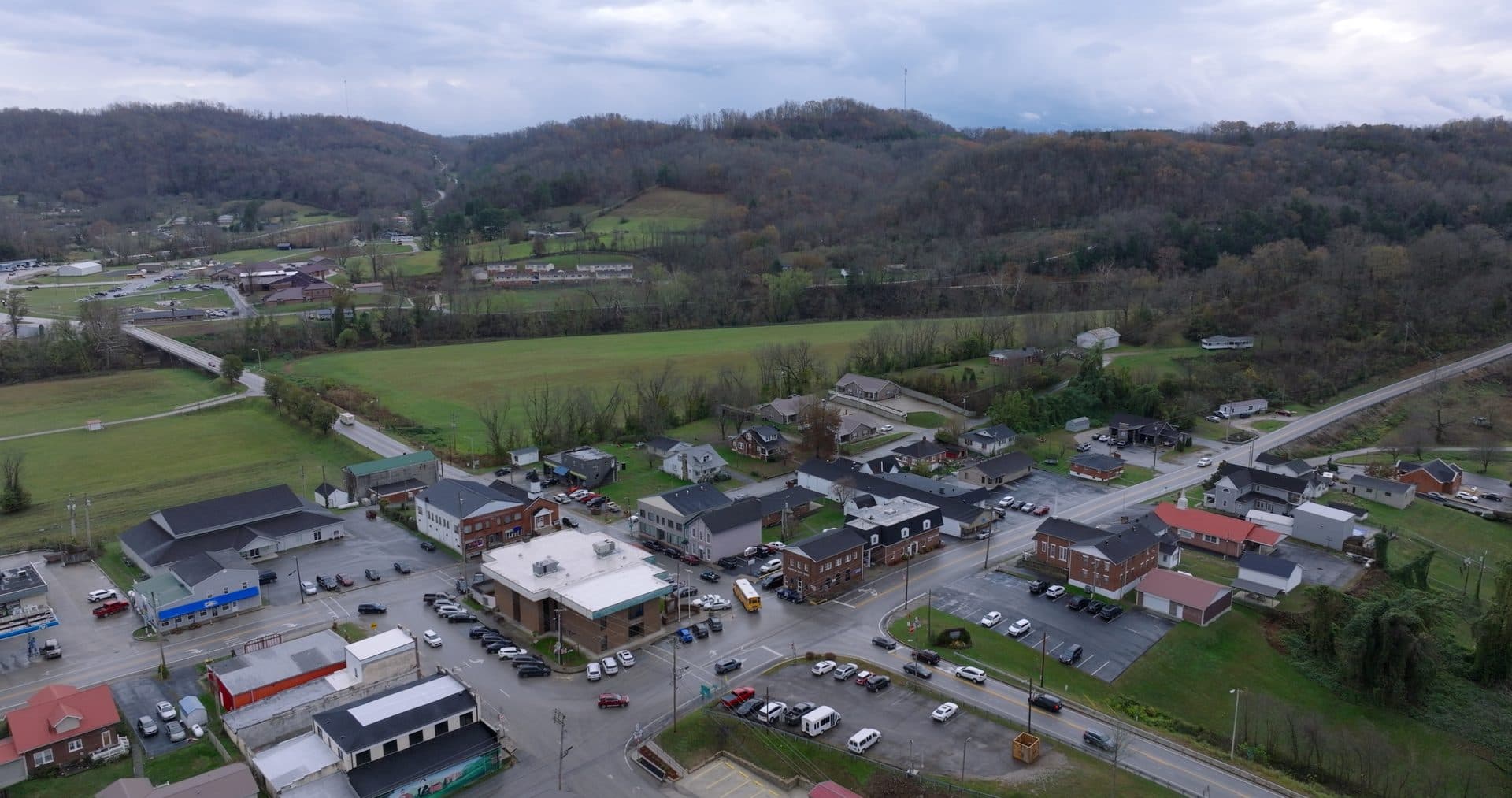
Appalachian Kentucky
 ABOUT
ABOUT30+ years of advancing pathways to progress
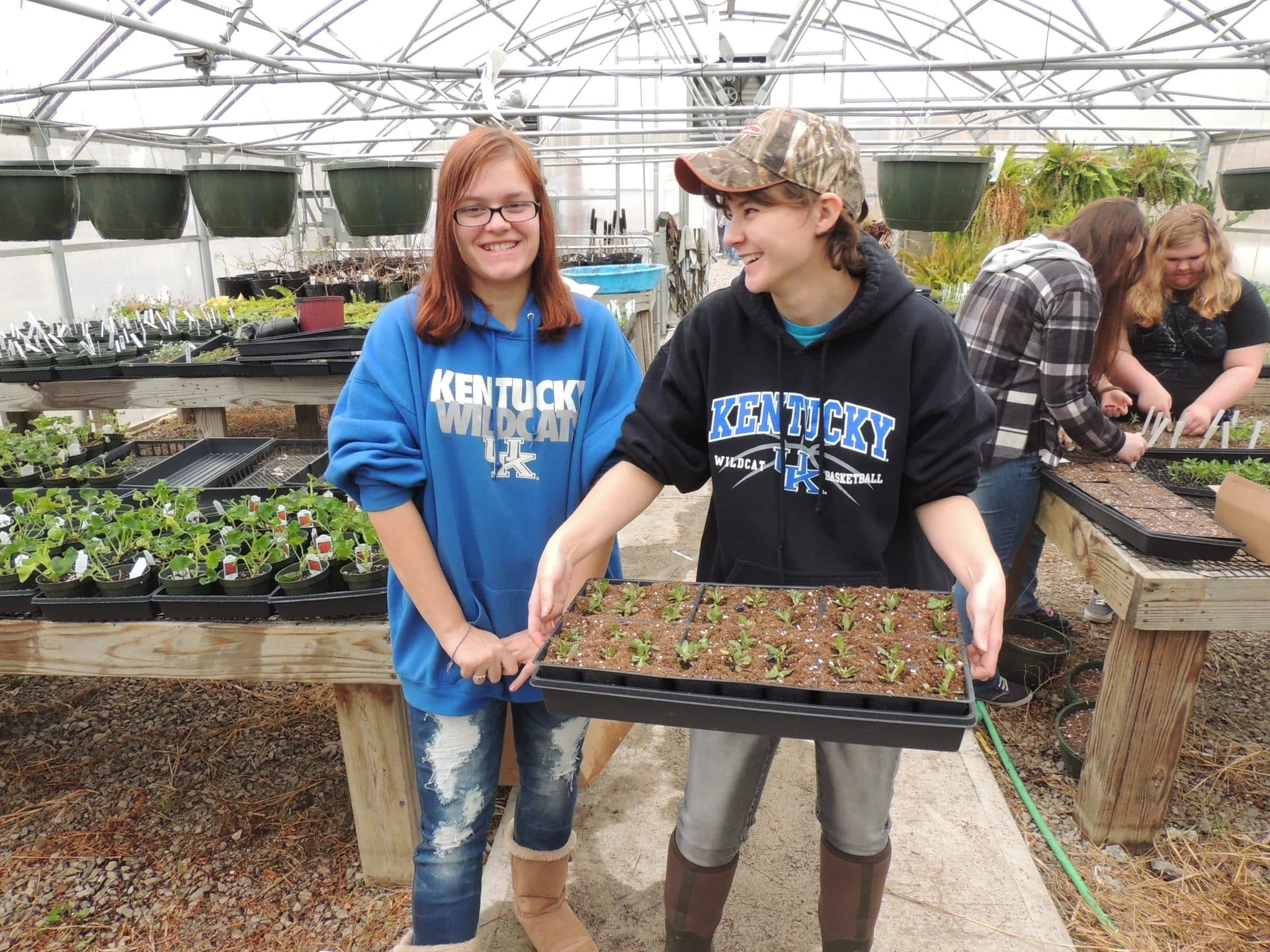
The Appalachian Cradle to Career Partnership (APPC2C) has spent more than 30 years demonstrating that demographics do not have to determine destiny. What began in a single school district in Appalachian Kentucky grew to expand college access across the region and evolved into a place-based partnership advancing economic mobility and supporting more than 110,000 young people to make progress, cradle to career.
Today, we work alongside schools, libraries, and local organizations across Appalachian Kentucky to align resources and build opportunities around four strategic priorities: reducing chronic absenteeism, strengthening youth mental health, expanding access to paid work experiences, and improving early childhood education. By 2030, we are working toward supporting 15,000 more young people in the region on a path to economic mobility.
We envision
an Appalachian Kentucky where 13,000 more young people are on the path to economic mobility by 2030.
Meet the team

Amon Couch
Senior Advisor
Amon is a first-generation college graduate and lifelong resident of eastern Kentucky, raised in a rural community by his grandparents. His grandfather—a World War II veteran and coal miner—modeled the values of service, resilience and hard work that continue to shape Amon's life and leadership.
Amon spent nearly three decades in public education as a teacher, principal and superintendent in rural school districts, several of which partnered with Partners for Rural Impact. Today, he supports leaders across the organization and its footprint, leveraging his experience to expand opportunities so rural students and families can thrive and economic mobility is possible for all.
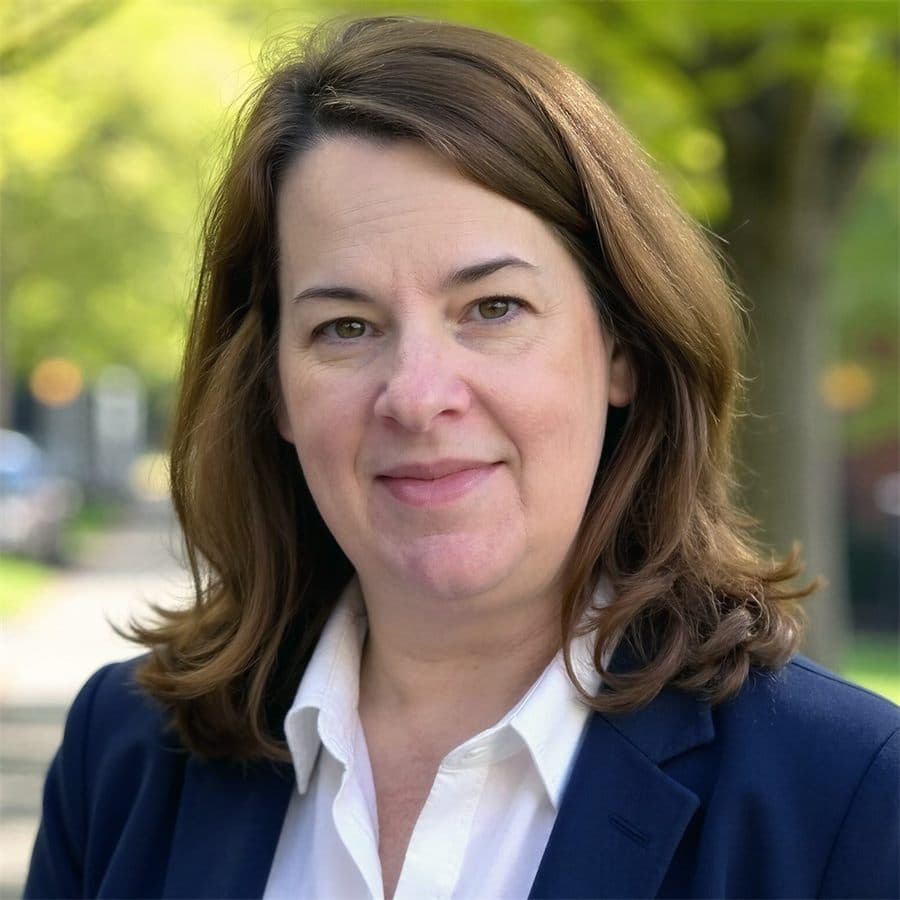
Penny Jordan
Executive Vice President
Penny helps lead a national movement, For Rural, With Rural, to ensure young people across America are on a path to economic mobility. Jordan holds a doctorate in educational leadership and policy studies and brings more than two decades of leadership experience in finance, strategy, and operations. She has deep expertise in aligning public, private and community partners to activate investment and strengthen opportunities in rural places nationwide, helping steward an average of $50 million annually in funding to support evidence-backed models that improve outcomes from cradle to career.
Penny's roots in Appalachian Kentucky and her experiences living in communities across the country—from Colorado to New Hampshire to Alabama—have reinforced her belief that rural communities hold the strengths needed to expand opportunity for all fourteen million rural young people.
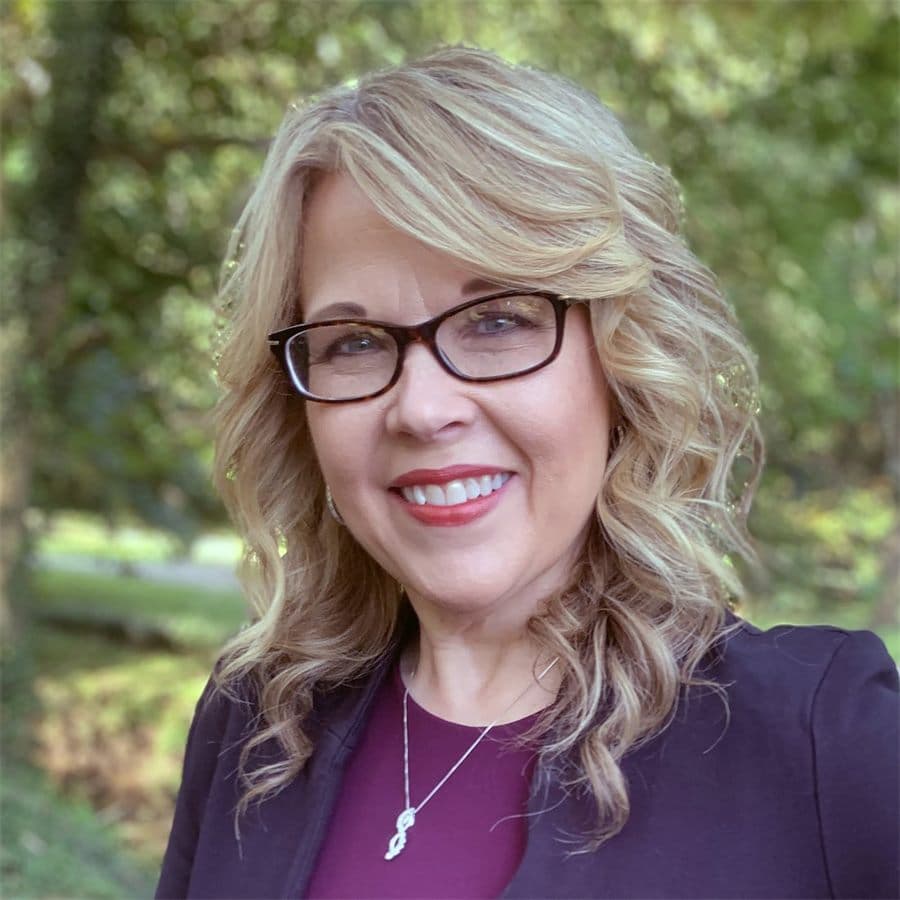
Sherry Horner
Vice President
Sherry plays a central role in aligning and integrating PRI's strategic plan across teams to strengthen change management practices and incubate a range of new initiatives.
Prior to her current role, Sherry served as associate vice president of innovation and excellence and as acting co-vice president of place-based partnerships, where she led data and evaluation, evidence-based practices, and collaborative improvement efforts while guiding strategies across multiple rural communities. Before joining PRI, she held senior roles in organizations across Appalachia, with a focus on juvenile justice, higher education and cradle-to-career pathways.

Celesta J. Riffe
Vice President of Federal Programs
Celesta brings more than 25 years of leadership in cradle-to-career and large-scale initiatives. A coal miner's daughter, Celesta redefined educational expectations in her own family by becoming the first to complete high school and college.
Deeply rooted in Appalachia, Celesta champions rural-by-design work honoring local expertise, amplifying rural brilliance, and ensuring public investments translate into meaningful outcomes.
Measuring Impact in Appalachia
To increase economic mobility for all young people, we track seven key indicators that show where students are most at risk. We use that data to guide our responses, to support local partnerships and to sustain progress from cradle to career.
APPALACHIAN KENTUCKYAppalachian Strategies
Stories from Appalachian Kentucky
Reports from the schools, libraries, families and partners doing this work every day across the region.