A Place-Based Approach to Flood Relief
August 4, 2023 | Partners for Rural Impact
A PLACE-BASED APPROACH TO FLOOD RELIEF
In the early morning hours of July 28, 2022, our people awoke to water rising in their homes. Families — parents, children, and grandparents climbed to rooftops clutching a family pet or a precious item they managed to save. Some waded in deep murky waters or even swam in places where the water was more than neck high. Many describe those moments as the longest, most terrifying night of their lives, with over 1,700 homes affected and more than 600 unlivable. One school was decimated. Forty bodies were found including four children.Partnership in Action
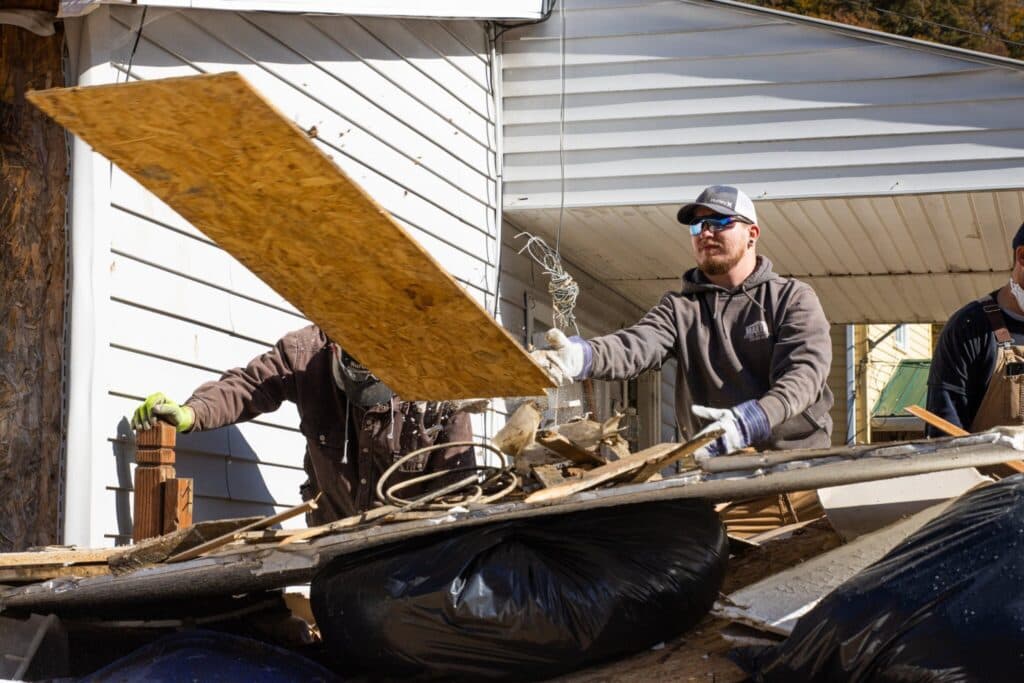
Individual organizations within the Appalachian Cradle-to-Career Partnership were tightly focused on their roles in emergency relief and recovery – for example, Fahe began the work of mucking out homes and getting people under roof as quickly as possible, our workforce partner EKCEP was immediately helping those who had lost their jobs because the place where they worked had been washed away, Save the Children deployed those within their organization that were skilled and experienced in recovery efforts and began to support prepared food efforts and clothing stations, Brushy Fork Leadership Institute began immediate support for those organizations who could provide childcare and trauma counseling for youth so that parents could feel confident their children were being cared properly while they were doing the cleanup work to get the family under roof, and PRI and the AppEd Service Agency focused on helping schools become operational as quickly as possible as the school year was about to begin.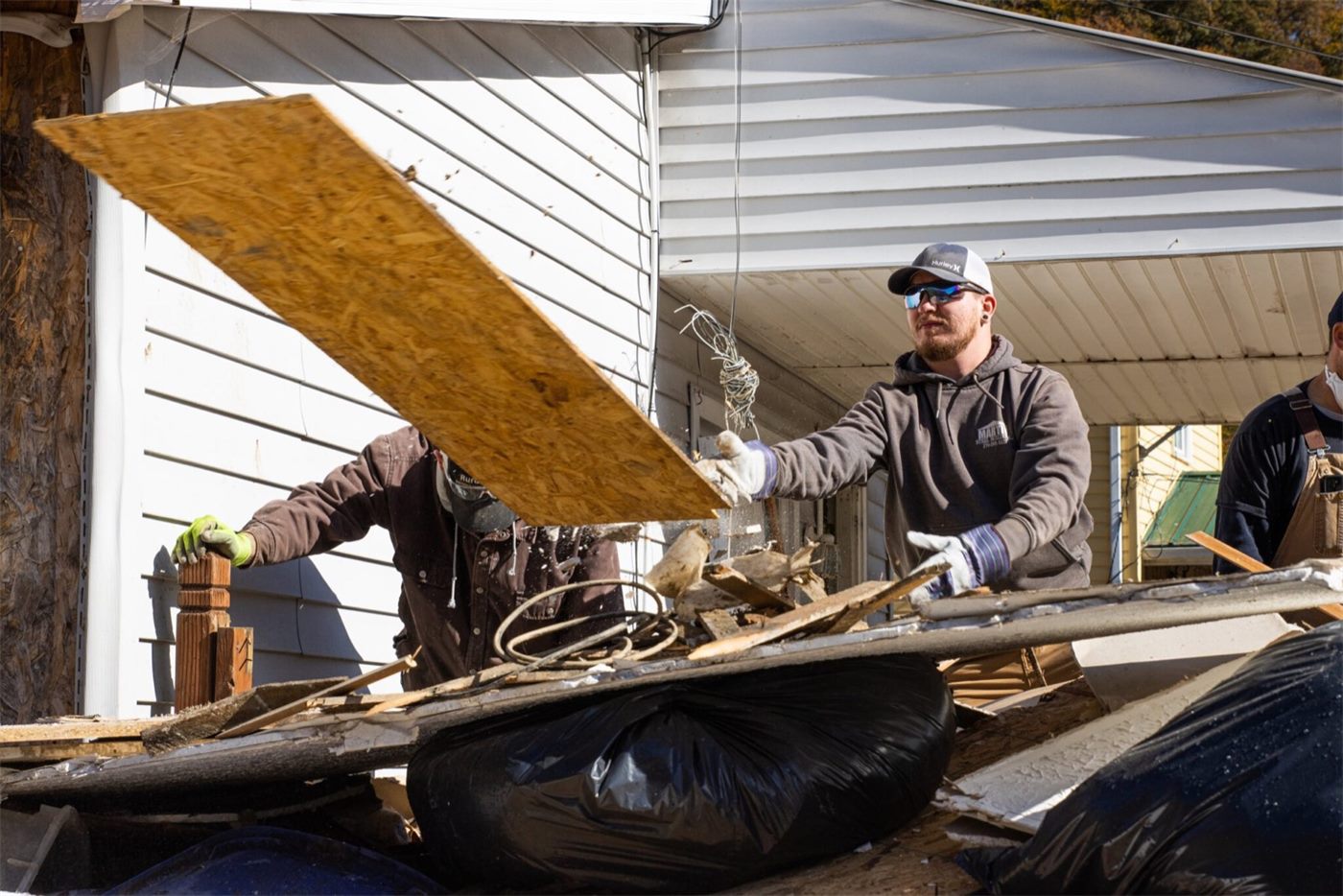
The Path Forward: Community Comes First
The AppC2C leveraged its collective strength in convening organizations, agencies, government, and other non-profits. Our collective knowledge and research revealed that disaster funds could be used for more than building back what had washed away. We then drew on the experience of other communities that, during times of disaster like Hurricanes Harvey, Sandy, and Katrina, had in the aftermath used disaster funds to create stronger economies, making their people more resilient, and addressing barriers to economic success. We wanted something transformational, and we weren’t the only ones. After a meeting with FEMA and HUD representatives, the AppC2C solidified its role as one of continuous communication with all our partners.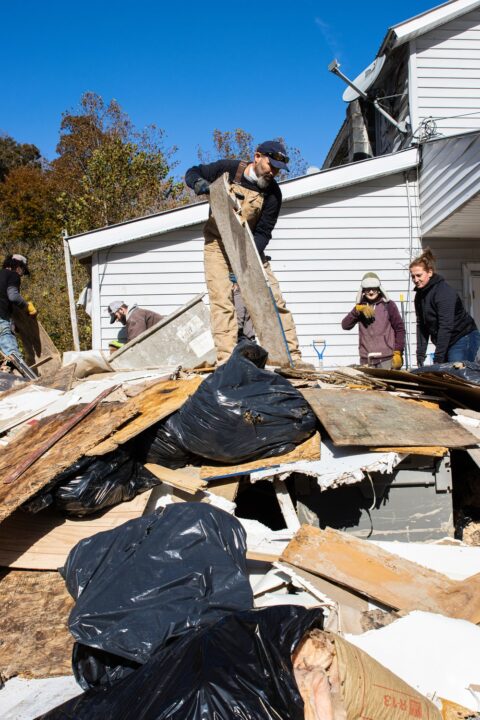
Chuck Heltsley
DHS/FEMA Interagency Recovery
Coordination
Federal Disaster Recovery Officer